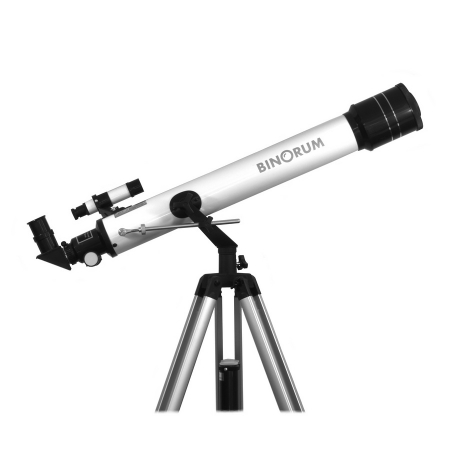
Optical Cleaning - Professional Care for Your Instruments
Quality optics require regular and, above all, proper care. Whether you have a telescope worth a few hundred dollars, a professional astronomical instrument, a camera lens, binoculars or a microscope - the cleanliness of optical surfaces directly affects the image quality you obtain. Dust, greasy fingerprints, condensed moisture or airborne contaminants gradually reduce light transmission, contrast and sharpness. Proper cleaning isn't just about aesthetics - it's an investment in the long life and consistent performance of your instrument.
Why Is Proper Cleaning So Important?
Optical glass is hard, yet very sensitive to improper handling. The surface of quality lenses and mirrors is often coated with special anti-reflective layers that increase light transmission and eliminate unwanted reflections. These coatings are thinner than a human hair and can easily be damaged by improper cleaning. Scratches on optics cannot be repaired - once a surface is damaged, it remains damaged forever.
Dust and dirt on optics cause several problems. They reduce the amount of light passing through the optics, create scattering effects around bright objects, and degrade image contrast. In astronomical telescopes, even a small speck of dirt on an eyepiece or objective can mean the difference between a sharp view of Saturn's rings and a blurry outline. For photographers, a dirty lens can ruin an entire series of images.
What You Absolutely Must Not Do
Before discussing how to properly clean optics, it's important to warn against the most common mistakes:
- Never clean with a dry cloth - solid dust particles act like sandpaper and create microscopic scratches
- Don't use regular window cleaners - they contain ammonia and other chemicals that can attack anti-reflective coatings
- Don't breathe on optics and wipe with your shirt - fabrics contain fine fibers and contaminants, exhaled moisture leaves marks
- Don't clean too often - each cleaning means risk of damage, clean only when truly necessary
- Don't use paper tissues - they contain wood fibers that scratch the surface
Professional Cleaning Products
Our selection includes everything needed for safe and effective optical cleaning:
Cleaning Solutions
Special optical cleaning solutions are designed to gently dissolve grease and dirt without damaging anti-reflective coatings. They're usually alcohol-based, which evaporates quickly and leaves no residue. Never apply liquid directly to optics - always apply to the cleaning cloth first.
Microfiber Cloths
Special optical microfiber cloths are soft, lint-free, and thanks to their structure capture dirt rather than smearing it across the surface. A quality cloth is so gentle it cannot scratch optics, yet effective at removing grease and fingerprints. After use, hand wash the cloth or machine wash without fabric softener and let air dry.
Cleaning Tissues
Single-use optical tissues are ideal for final cleaning of liquid residue. Unlike regular paper towels, they don't contain wood fibers and don't lint. They're used together with cleaning solution for thorough cleaning of heavily soiled surfaces.
Brushes and Blowers
A soft brush with fine bristles serves to remove loose dust before wet cleaning. Some brushes have a rubber bulb blower on the end that allows blowing away dust particles without touching the surface. This is the gentlest way to free optics of loose contaminants.
Air Compressors
Compressed air in a can or hand pump allow contactless dust removal from hard-to-reach places - for example, from gaps around lenses in an eyepiece or inside viewfinders. Caution - never aim the compressor directly perpendicular to the optics and don't hold the can upside down so condensate doesn't spray out.
How to Properly Clean Optics
The correct cleaning procedure has several steps:
- Blow off loose dust - using a blower or air compressor, remove all loose particles
- Gentle brushing - if adhered particles remain, carefully brush them with a soft brush from center to edges
- Apply cleaning solution - apply a few drops of cleaning solution to a clean microfiber cloth
- Circular motions - clean optics with gentle circular motions from center to edges, without pressure
- Dry - with the dry part of the cloth or clean optical tissue, gently dry remaining liquid
- Check - examine optics against light to see if marks or smudges remain
Prevention Is Better Than Cleaning
The best cleaning is one that doesn't need to be done. Protect your optics preventatively:
- Always use covers and caps - when not using the instrument, all optical surfaces must be covered
- Don't touch optics with fingers - fingerprints are full of grease and difficult to remove
- Store instruments in dry environment - moisture can cause fogging and mold growth
- After observing, let telescope cool down - temperature differences cause moisture condensation on optics
- Use protective filters - on camera or binocular lenses, attach a protective UV filter that catches contaminants
When to Clean and When Not To
Clean optics only when visible contaminants actually affect image quality. A few tiny specks of dust on a telescope objective have practically no effect on the image - the lens has a large area and a few dust particles don't represent a noticeable light obstruction. On the other hand, a fingerprint, condensed moisture or grease are problems requiring immediate attention.
Remember - less is sometimes more. Unnecessarily frequent cleaning increases the risk of damage. Quality optics will work perfectly even with minor contaminants, but one careless movement can cause scratching that permanently devalues it.
Quality Care = Long Life
Investment in professional cleaning products pays back many times over. A set of cleaning solution, several microfiber cloths and a soft brush lasts for years and protects optics worth thousands. In our selection you'll find proven products from renowned manufacturers used by professional photographers, astronomers and service technicians. Everything is in stock and ships immediately.
If you're unsure how to properly clean a specific type of optics, don't hesitate to contact us at info@binorum.eu - we're happy to advise.