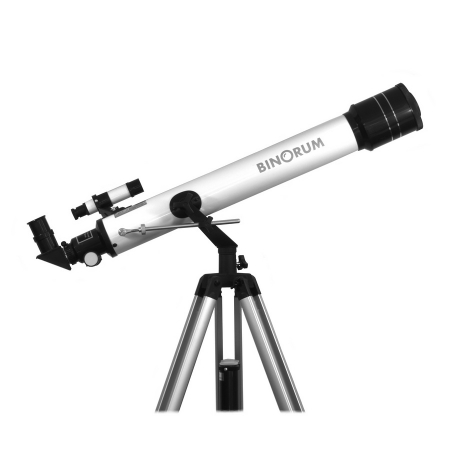
Modern Electronic Smart Telescopes for Everyone
The world of astronomy has dramatically transformed with the advent of smart telescopes. These modern instruments combine traditional optics with cutting-edge technologies, including automatic object finding, WiFi connectivity, and mobile app control. Thanks to integrated sensors and GPS, you can easily locate thousands of stars, planets, and other cosmic objects without manual setup requirements. Smart telescopes are ideal for both beginners who are just getting acquainted with astronomy and advanced users seeking convenient observation experiences. The intuitive interface and automated features make stargazing accessible to enthusiasts of all skill levels.
Advantages of Electronic Telescopes
The main advantage of smart telescopes lies in their user-friendliness and automation capabilities. Modern electronic systems can automatically calibrate the telescope, find requested objects, and track them during observation sessions. Integrated cameras enable photography and video recording directly to your mobile phone or tablet. Many models also offer augmented reality features that help you identify celestial objects in real-time on your screen. Long-lasting batteries ensure all-night observation without the need for power connections. The combination of precision optics and smart technology creates an unparalleled viewing experience that brings the universe closer to home.
Features and Usage Possibilities
Smart telescopes offer a wide range of functions for various types of astronomical observation. Automatic object finding saves you time when locating planets, nebulae, and galaxies across the night sky. Through dedicated applications, you can plan entire observation sessions, and the telescope will guide you through individual objects according to your selection. Some manufacturers also offer remote internet control, allowing you to observe the sky from distant locations. These telescopes excel in astrophotography thanks to precise mounts and long-term object tracking capabilities. Advanced models include features like time-lapse photography, live streaming, and social sharing options for astronomy communities.
Choosing the Right Smart Telescope
When selecting an electronic telescope, it's important to consider several key parameters that will affect your observing experience. The aperture size determines the light-gathering power and resolution of the instrument, while the mount type influences stability and object tracking capabilities. The quality of electronics and software are equally important as optical properties for overall performance. We recommend choosing telescopes from reputable manufacturers who regularly update firmware and provide technical support. Consider compatibility with different mobile device operating systems and the availability of your preferred language in applications. Budget considerations should balance features with optical quality to ensure the best value for your investment.
Setup and Maintenance
Modern smart telescopes are designed for quick and easy setup, often requiring just minutes to become operational. Most models feature automatic alignment procedures that use GPS and star pattern recognition to orient themselves correctly. Regular maintenance involves keeping optics clean, updating software, and ensuring battery health for optimal performance. Many smart telescopes come with protective cases and weather-resistant features for outdoor use. The electronic components are typically designed to withstand temperature variations and humidity common in nighttime observing conditions.
Future of Smart Astronomy
The evolution of smart telescope technology continues to advance rapidly, with new features and capabilities being introduced regularly. Artificial intelligence integration is improving object recognition and automatic photography settings. Cloud connectivity allows for collaborative observing sessions and data sharing among astronomy communities worldwide. Enhanced imaging sensors and processing power are making deep-sky astrophotography more accessible to amateur astronomers. As technology progresses, smart telescopes are becoming more affordable while offering professional-level features that were once exclusive to research institutions.