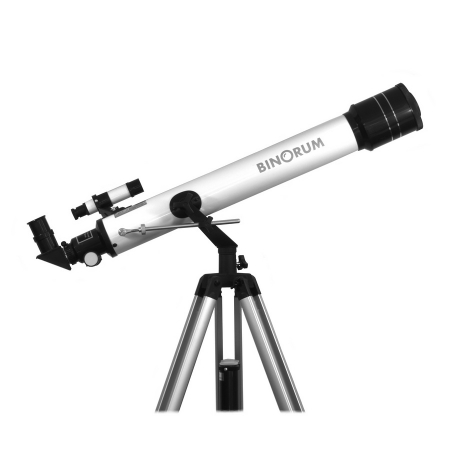
Binocular Viewers for Astronomical Telescopes
Binocular viewers are one of the most comfortable and rewarding accessories you can add to your astronomical telescope. They allow you to observe the night sky with both eyes simultaneously, which significantly reduces eye strain and greatly improves the overall enjoyment of long observing sessions. The human brain naturally combines the images from both eyes, creating a sense of greater depth and three-dimensionality in the objects you observe. Binocular viewers for astronomical telescopes are especially popular among visual observers of the Moon, planets, star clusters, and nebulae. Whether you are a seasoned astronomer or a curious beginner, a binocular viewer can transform your experience at the eyepiece.
How Binocular Viewers Work
A binocular viewer is inserted into the focuser of a telescope in place of a standard single eyepiece. Inside the unit, a precision prism system splits the incoming light beam into two separate optical paths, each accepting an eyepiece of the same focal length. The observer then looks through both eyepieces simultaneously, much like using a conventional pair of binoculars. This design means that the full resolving power of the telescope is delivered to both eyes at once. Some models require the use of a Barlow lens or an optical corrector to achieve focus, particularly in shorter focal-length telescopes. Always check compatibility with your specific telescope before purchasing.
Key Benefits of Using a Binocular Viewer
The most notable advantage of binocular viewing is a dramatic increase in perceived contrast and fine detail, thanks to the natural way the brain processes images from two eyes. Observers consistently report less fatigue, making it possible to spend much longer at the telescope without discomfort. Views of the Moon take on a striking three-dimensional quality, and planetary features appear sharper and more defined. Deep-sky objects such as nebulae and open clusters also benefit, with subtle tonal variations becoming more apparent. In addition, many observers find that binocular viewing reduces the suppression of faint detail that can occur when one eye is closed. The improved comfort and visual quality often encourage more frequent observing sessions.
What to Consider When Choosing a Binocular Viewer
Choosing the right binocular viewer requires attention to several important specifications. The most common barrel sizes are 1.25″ and 2″, and you should ensure the unit is compatible with your telescope's focuser. Pay close attention to optical quality - fully multi-coated glass elements and high-quality prisms are essential for maximising light transmission and image clarity. The light-gathering capacity of your telescope matters too, since the beam-splitting prism inevitably reduces the amount of light reaching each eye. Consider whether a Barlow lens or optical corrector is included or needed to achieve parfocal performance. Finally, check that the inter-pupillary distance adjustment range suits your own eye separation for comfortable viewing.
Types of Binocular Viewers Available
Standard and Premium Models
Entry-level binocular viewers offer solid optical performance and are well suited to observers who want to try binocular viewing without a large investment. These models typically feature aluminium construction, standard prism glass, and compatibility with widely available 1.25″ eyepieces. Premium models from manufacturers such as Baader Planetarium, William Optics, and Bresser use superior optical glass, advanced anti-reflection coatings, and more robust mechanical designs. Some high-end units accept 2″ eyepieces and provide a wider apparent field of view. Accessories such as matched pairs of eyepieces are often sold alongside binocular viewers to ensure the best possible optical performance. Investing in a quality unit pays dividends in terms of image brightness, sharpness, and long-term reliability.
Compatibility and Accessories
Before purchasing a binocular viewer, it is worth checking whether your telescope's focuser can accommodate the unit without vignetting or loss of travel. Refractors and Schmidt-Cassegrain telescopes are generally the most straightforward to pair with binocular viewers, while fast Newtonians may require additional optical elements. Many viewers come supplied with a 1.25″ to 2″ adapter, a carrying case, and sometimes a matched pair of eyepieces. Barlow lenses designed specifically for use with binocular viewers are available as optional extras and can help achieve focus in telescopes with shorter back-focus distances. Our catalogue includes all the accessories you need to get the most out of your binocular viewer setup.
Our Range of Binocular Viewers
In our online store you will find a carefully selected range of binocular viewers from leading manufacturers of astronomical accessories. Each product listing includes full technical specifications, user reviews, and guidance on compatibility with popular telescope models. Our expert advisors are available to help you choose the ideal binocular viewer for your telescope and observing style. We offer fast, secure delivery and professional after-sales support for all products in our range. Browse our catalogue today and discover a new dimension of visual astronomy.