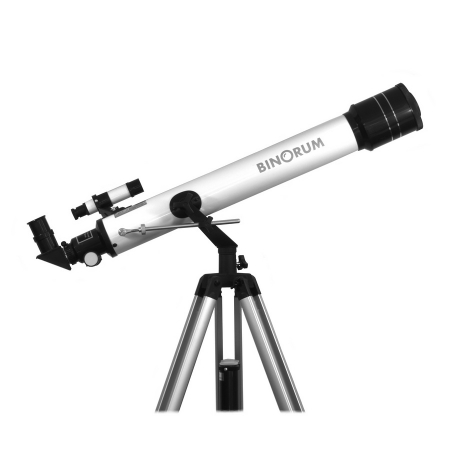
Focusers - a key component of every telescope
Telescope focusers are an essential part of every optical observation system. They allow precise focusing of the image by moving the eyepiece along the optical axis of the instrument. Without a high-quality focuser, it is impossible to achieve a sharp and detailed view of the observed object. The right choice of this component significantly affects overall observing comfort and image quality. Whether you are a visual observer or an astrophotographer, the focuser plays a central role in the performance of your telescope.
Types and construction of focusers
There are several basic types of focusers available on the market, differing in design and intended use. The most widespread are rack-and-pinion focusers, which are valued for their simplicity and reliability. Crayford focusers with smooth, friction-based movement are popular for both visual observation and astrophotography. A special category includes dual-speed focusers with a micrometric fine-focus knob, allowing extremely precise adjustments. The choice of the right type depends on the eyepiece diameter, the weight of the optical accessories used, and the overall purpose of the telescope. Premium models often combine the advantages of multiple designs to deliver maximum performance in the field.
Diameters and compatibility
Focusers are manufactured in several standard diameters, the most common being 1.25″ and 2″. The 1.25″ standard is suitable for most conventional eyepieces and is the most widespread format in amateur astronomy. The 2″ format offers a larger field of view and is preferred with wide-angle eyepieces and large accessories. Focusers with reduction adapters allow eyepieces of different diameters to be used in a single telescope. When selecting a focuser, it is important to verify compatibility with your telescope tube and to check the required insertion depth. Some models also offer compatibility with T2 camera adapters for direct DSLR or mirrorless camera attachment.
Material, rigidity and precision
High-quality telescope focusers are manufactured from aluminium alloys or steel, ensuring long service life and resistance to mechanical wear. Precision of movement is a critical parameter especially in astrophotography, where even the slightest unwanted shift can ruin an exposure. Good focusers feature a locking screw or tension adjustment mechanism that secures the eyepiece in the desired position. When choosing, pay attention to smoothness of travel, absence of play in the drawtube, and overall structural rigidity. Dual-speed focuser models with both coarse and fine adjustment offer maximum convenience for demanding users who require repeatable and stable focus across long imaging sessions.
How to choose the right focuser
When selecting a focuser, it is necessary to consider the type of telescope, the outer diameter of the focuser tube, the weight of accessories to be used, and the intended application. Visual astronomers will generally be well served by a standard rack-and-pinion or Crayford focuser, while astrophotographers will appreciate a model with micrometric focusing and a robust locking mechanism. The travel length of the focuser is also important - it must be sufficient to reach the focal plane of your particular telescope. In our range you will find focusers from well-known manufacturers across a variety of price categories. Every product has been carefully selected to meet the demands of both beginners and experienced observers alike.
Accessories and upgrades
In addition to standalone focusers, our range includes a wide selection of accessories designed to expand or upgrade your existing setup. These include reduction adapters, extension tubes, T2 rings, and various mounting plates for camera attachment. Upgrading the focuser on an existing telescope is one of the most effective ways to improve optical performance and observing comfort without replacing the entire instrument. Adapters for motorised focuser drives are also available, enabling remote focusing through a computer or hand controller. We also stock complete motorised focuser systems compatible with popular astronomy software for automated focusing routines during imaging sessions.