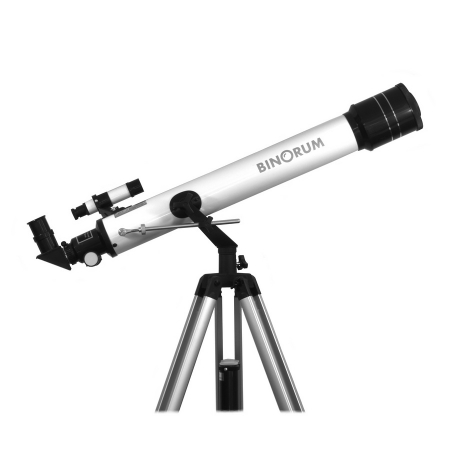
Artificial Stars for Precise Telescope Collimation
Artificial stars represent an indispensable tool for every astronomer who values precise telescope alignment. These specialized optical devices simulate the light point of a distant star, enabling collimation and testing of optical systems independent of weather conditions and time of day. With a stable and controlled light source, you can achieve optimal performance from your telescope and obtain sharp, high-contrast images when observing real celestial objects. Professional astronomers and serious hobbyists rely on these instruments to maintain their equipment at peak performance levels.
Types of Artificial Stars and Their Applications
The market offers several types of artificial stars for astronomers, each designed for specific purposes. Laser collimators are ideal for quick basic alignment of Newtonian telescopes, while LED artificial stars provide a broader light spectrum suitable for testing chromatic aberration. Cheshire eyepieces combine collimator function with visual alignment control capabilities, which is particularly advantageous for more complex optical systems. For professional use, sophisticated electronic artificial stars are available with adjustable intensity and various spectral characteristics. Some advanced models even feature programmable sequences and remote control capabilities for automated testing procedures.
Benefits of Using Artificial Stars
The primary advantage of artificial stars is the ability to perform alignment anytime during day or night, without waiting for suitable weather conditions. A stable light source enables precise collimation, which is crucial for achieving the theoretical resolution of your telescope. Telescope collimation using artificial stars is faster and more accurate than traditional methods using real stars, which can be affected by atmospheric turbulence. Regular use of these tools also extends the lifespan of optical components by minimizing mechanical stress in improperly aligned systems. Additionally, artificial stars eliminate the need to wait for clear skies and suitable star visibility, making telescope maintenance more efficient and convenient.
How to Choose the Right Artificial Star
Selecting the appropriate artificial star depends on your telescope type and required alignment precision. For beginners, simple laser collimators are sufficient, being affordable and easy to operate. Advanced astronomers will appreciate artificial stars with adjustable light intensity and the ability to simulate different stellar spectral classes. When choosing, it's important to consider compatibility with your telescope, quality of optical components, and availability of replacement parts. The investment in a quality artificial star quickly pays for itself through improved observation quality and extended optical system lifespan.
Professional Features and Advanced Options
Modern artificial stars offer numerous advanced features that enhance their functionality and precision. Variable intensity controls allow users to simulate stars of different magnitudes, while spectral filters enable testing across different wavelengths. Some models include fiber optic delivery systems for precise light positioning, and others feature battery operation for field use. Professional-grade artificial stars may incorporate temperature compensation, vibration resistance, and long-term stability characteristics. These advanced features make them suitable for observatory use and demanding astronomical applications where precision is paramount.
Maintenance and Care Tips
Proper maintenance of artificial stars ensures consistent performance and longevity. Regular cleaning of optical surfaces with appropriate materials prevents dust accumulation that could affect light quality. Battery-powered units require periodic battery replacement and proper storage to prevent corrosion. Laser-based artificial stars need careful handling to avoid damage to the laser diode, while LED models benefit from avoiding thermal cycling. Storage in protective cases with desiccant helps prevent moisture-related issues, and periodic calibration checks ensure continued accuracy. Following manufacturer guidelines for maintenance intervals and procedures maximizes the useful life of these precision instruments.