The Foundation of Great Astronomy
A telescope's optical quality means nothing if it can't be pointed steadily at celestial objects. The mount is the unsung hero of astronomy – it determines whether you'll enjoy smooth tracking, steady views, and successful astrophotography, or struggle with vibrations, drift, and frustration. Our collection of premium telescope mounts ensures your optical investment performs to its full potential.
Understanding Mount Types
Choosing the right mount depends on your observing goals, experience level, and whether you plan to do astrophotography. Each mount type excels in specific applications:
Equatorial Mounts (EQ Mounts)
Equatorial mounts align one axis parallel to Earth's rotation axis, allowing you to track celestial objects with movement in a single axis. This design is essential for serious visual observation and absolutely critical for astrophotography.
German Equatorial Mounts (GEM): The most popular equatorial design, featuring a counterweight system for balance. Available from compact EQ3 models for small refractors to heavy-duty mounts supporting large telescopes and imaging equipment.
Best for: Long observation sessions, astrophotography, precise tracking, observers who don't mind polar alignment
Key advantages:
• Single-axis tracking follows celestial motion naturally
• Essential for long-exposure astrophotography
• Motor drives provide automated tracking
• GoTo systems offer database-driven object finding
• Maintains field orientation (no field rotation)
Alt-Azimuth Mounts
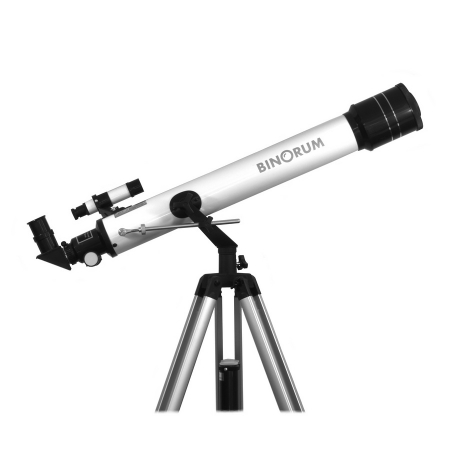
Alt-azimuth mounts move up-down (altitude) and left-right (azimuth) – intuitive movements that require no polar alignment. Perfect for casual observing and terrestrial use.
Best for: Beginners, visual observation, quick setup, planetary viewing, terrestrial observation
Key advantages:
• Intuitive operation – point where you want to look
• No polar alignment required
• Generally lighter and more portable
• Excellent for visual observation
• Can include GoTo computerization
Dobsonian Mounts
A specialized alt-azimuth design optimized for large Newtonian reflectors. Dobsonians prioritize aperture and simplicity over tracking capabilities.
Best for: Deep-sky visual observation, maximum aperture on budget, simple operation
Key advantages:
• Extremely stable platform for large apertures
• Simple, reliable mechanics
• Smooth manual tracking
• Minimal setup time
• Excellent value for aperture
GoTo Computerized Mounts
Available in both equatorial and alt-azimuth configurations, GoTo mounts feature computerized object databases and motorized tracking. Point your telescope at alignment stars, and the mount then automatically finds and tracks thousands of celestial objects.
Best for: Beginners wanting easy object location, observers with limited sky knowledge, outreach events, maximizing observing time
Key advantages:
• Automatic object location from database
• No need to learn star patterns initially
• Maximizes time spent observing vs. searching
• Perfect for public outreach and demonstrations
• Guided tours and educational features
Mount Capacity and Stability
A mount's load capacity determines which telescopes it can support. Following the manufacturer's weight rating ensures stable, vibration-free viewing:
Payload capacity rule: For visual observation, use 70-80% of rated capacity. For astrophotography, stay at 50-60% to minimize flexure and improve tracking accuracy.
Stability factors:
• Mount head construction quality
• Tripod rigidity and material (aluminum vs. steel)
• Pier or column diameter
• Counterweight system design
• Bearing precision and quality
• Motor drive accuracy (for motorized mounts)
For Visual Observers
If you're observing visually without cameras, your mount requirements are more forgiving but still important:
Casual observers: Alt-azimuth mounts offer simplicity and quick setup. Manual tracking at low to medium magnifications is straightforward.
Serious visual observers: Equatorial mounts with motor drives eliminate manual tracking fatigue during long observation sessions. Track objects smoothly while making detailed observations or sketches.
Planetary observers: Stable mounts are critical at high magnifications where every vibration is amplified. Solid EQ mounts or quality alt-azimuth designs work well.
Deep-sky enthusiasts: Large Dobsonian mounts maximize aperture for faint object observation while maintaining affordability.
For Astrophotographers
Astrophotography demands far more from a mount than visual observation. Long exposures reveal every imperfection in tracking:
Beginner imaging: Start with quality EQ5 or EQ6-class mounts. These handle moderate imaging loads and provide the precision needed for exposures up to several minutes with good polar alignment and autoguiding.
Advanced imaging: Heavy-duty mounts like HEQ5 Pro, EQ6-R Pro, or iOptron CEM series deliver the stability and precision required for long exposures, heavy camera equipment, and large telescopes.
Essential imaging features:
• Precise polar alignment systems (polar scopes, PoleMaster compatibility)
• Low periodic error for smooth tracking
• Autoguider ports for guided imaging
• Robust construction minimizing flexure
• ASCOM or other software compatibility
• Permanent periodic error correction (PPEC)
Portability vs. Performance
The eternal astronomical compromise: larger, heavier mounts provide better stability but reduce portability.
Backyard permanent setup: Prioritize stability and capacity. Consider pier-mounted systems for ultimate rigidity.
Portable astronomy: Balance capacity with transportability. Compact EQ mounts or quality alt-azimuth designs that disassemble easily. Consider travel-friendly options like the iOptron SkyGuider series.
Remote/dark site observing: Evaluate total system weight including telescope, mount, tripod, and accessories. Ensure you can comfortably transport and set up solo if needed.
Popular Mount Series
Sky-Watcher EQ Series: From compact EQ3 to robust EQ6-R Pro, offering proven performance across all experience levels
iOptron CEM Series: Center-balanced equatorial mounts combining high capacity with exceptional portability
Celestron Advanced VX / CGEM: Reliable workhorses for both visual and imaging applications
Sky-Watcher AZ Series: Alt-azimuth mounts from simple manual designs to sophisticated GoTo systems
Dobsonian Rockerbox Mounts: Classic simplicity for large aperture visual observation
Essential Mount Accessories
Maximize your mount's performance with quality accessories:
Polar alignment tools: Illuminated polar scopes, PoleMaster cameras, or smartphone apps for precise polar alignment
Motor drives: Single or dual-axis motors for automated tracking on manual mounts
GoTo upgrades: Add computerized object location to compatible manual mounts
Counterweights: Additional weights for balancing heavier optical tubes or camera equipment
Dovetail plates: Vixen or Losmandy-style plates for quick telescope attachment
Tripod upgrades: Heavier or taller tripods for improved stability or comfortable viewing heights
Choosing Your Perfect Mount
Consider these questions when selecting a telescope mount:
What's your primary use? Visual observation, astrophotography, or both?
What telescopes will you use? Current and potential future optical tubes?
Where will you observe? Backyard permanent setup or portable dark-sky trips?
What's your experience level? Comfortable with polar alignment or prefer simple setup?
What's your budget? Mounts are long-term investments – quality pays dividends for years
Why Mount Quality Matters
Skimping on mount quality is false economy. A mediocre mount undermines excellent optics, while a quality mount enhances even modest telescopes. Characteristics of quality mounts:
• Smooth, backlash-free movements
• Solid construction with minimal flexure
• Precise gears and bearings
• Reliable motors and electronics (for motorized models)
• Consistent tracking accuracy
• Adequate capacity with safety margin
• Compatibility with standard accessories
Long-Term Investment
Unlike telescopes, which you might upgrade as your interests evolve, a quality mount remains valuable throughout your astronomy journey. Many astronomers change telescopes multiple times while keeping the same reliable mount. This makes the mount one of your most important equipment investments.
A good mount accommodates multiple telescopes via standard dovetail systems. As you add refractors, reflectors, or imaging equipment to your collection, your mount continues serving faithfully.
Expert Guidance Available
Choosing the right mount involves balancing numerous factors specific to your needs. Our knowledgeable team can help you select based on:
• Your current and planned telescope equipment
• Observing location and portability needs
• Visual vs. imaging priorities
• Experience level and technical comfort
• Budget and long-term plans
Start Building Your Perfect Setup
Browse our comprehensive selection of telescope mounts and tracking systems. From simple alt-azimuth designs for beginners to sophisticated computerized equatorial mounts for advanced astrophotography, we offer quality solutions for every astronomer.
The right mount transforms your astronomical experience from frustrating to fantastic. It's the difference between smooth, effortless tracking and constant manual adjustments. Between steady, detailed views and vibrating, drifting images. Between successful astrophotography and endless troubleshooting.
Invest in the foundation of great astronomy. Explore our telescope mount collection today.