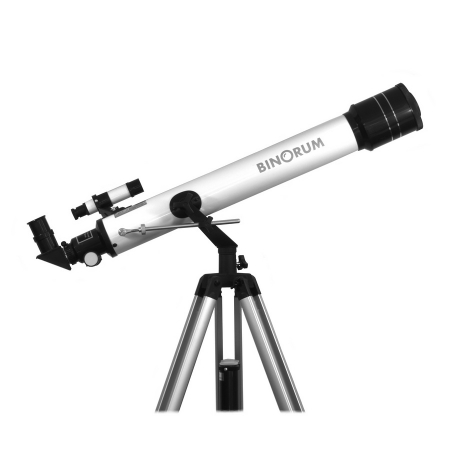
Binorum 1.25″ 4-Piece Planetary Color Filter Set
Unlock enhanced planetary detail with this carefully curated set of four essential color filters designed for serious planetary observation. Each filter in this collection targets specific wavelengths to dramatically increase contrast in atmospheric features, surface details, and cloud structures across the solar system's most fascinating worlds. With standard 1.25″ threading, these filters integrate seamlessly with any astronomical eyepiece.
Strategic Filter Selection
This four-filter set represents the core tools every planetary observer needs. Rather than overwhelming beginners with numerous specialty filters, this collection focuses on the most versatile and effective options that deliver consistent results across multiple planetary targets. Each filter has been selected for its ability to reveal details that remain hidden in unfiltered white light observation.
Filter No.23A Light Red
The light red filter serves as a versatile tool for observing Mars, Jupiter, and Saturn, blocking blue and blue-green wavelengths to enhance contrast in reddish atmospheric features. On Mars, it emphasizes surface details and helps distinguish between different terrain types. Jupiter's belts and festoons gain definition, while Saturn's subtle atmospheric banding becomes more apparent.
This filter truly excels during daytime planetary observation of Mercury and Venus. When these inner planets are visible in daylight or bright twilight, the intense blue sky background can make them difficult to observe. The light red filter dramatically increases contrast between these planets and the bright blue sky, making daytime observations more productive and allowing you to track Mercury and Venus throughout their orbits rather than limiting observations to dark-sky periods.
Filter No.12 Yellow
The yellow filter enhances visibility of red and orange features on Jupiter and Saturn while blocking blue and green wavelengths. This selective transmission creates striking contrast improvements in the gas giants' cloud bands, making belt boundaries and zone structures more distinct. The Great Red Spot and other reddish atmospheric phenomena stand out more prominently against the surrounding clouds.
On Mars, the yellow filter increases the brightness of red and orange surface features while reducing or blocking light transmission from blue and green areas. This wavelength discrimination significantly increases contrast between different surface types, helping you map Martian geography and track seasonal changes. As an added benefit, the filter emphasizes blue clouds in the Martian atmosphere, making dust storms and polar hood phenomena more visible.
Filter No.56 Green
The green filter blocks most red and blue wavelengths, thereby increasing their contrast in the lighter portions of Jupiter's surface. This selective blocking reveals subtle cloud variations and atmospheric dynamics that might otherwise blend together. The filter proves particularly effective at showing the complex interplay between different colored zones in Jupiter's turbulent atmosphere.
For Saturn, the green filter improves visualization of clouds, belts, and polar regions that can appear washed out in white light. The planet's more subtle atmospheric features gain definition, allowing you to track seasonal changes and occasional storm outbreaks. On Mars, the filter does an excellent job increasing contrast of the polar ice caps against the surrounding terrain, making it valuable for monitoring the seasonal advance and retreat of Martian ice. It also provides decent enhancement of atmospheric features on Venus, helping reveal the planet's elusive cloud patterns.
Filter No.80A Blue
The blue filter ranks as the best and most popular choice for examining details on Jupiter and Saturn. It dramatically increases contrast in cloud currents and festoons within Jupiter's atmospheric belts, revealing the fine structure of these dynamic features. Details of the Great Red Spot become more pronounced, showing internal structure and the interaction between this massive storm and surrounding cloud patterns.
On Saturn, the blue filter reveals details in the planet's belts and polar regions that often remain invisible in white light or with other filters. The subtle gradations in Saturn's atmosphere gain contrast, allowing you to perceive features in this less dramatic but still fascinating planetary atmosphere. This filter also proves very useful when observing the Moon, enhancing contrast in certain lunar features and providing an alternative perspective on familiar terrain.
Practical Observing Strategy
These four filters cover the essential wavelength ranges for planetary observation, allowing you to adapt to different seeing conditions and planetary aspects. Start your observing session by viewing without filters to assess atmospheric stability and overall planetary appearance. Then systematically try each filter to determine which provides the best contrast for the features you're studying that particular night. Atmospheric conditions, planetary position, and even the specific features you're observing can influence which filter performs best.
Universal Compatibility
Each filter features standard 1.25″ threading that screws directly onto most astronomical eyepieces. The precision-machined threads ensure secure attachment without cross-threading, while maintaining the optical alignment critical for sharp images. The filters add minimal weight to your eyepieces and won't affect balance or focuser performance.
Why Choose Binorum
Binorum filters combine precise spectral characteristics with durable construction designed for years of reliable field use. Each filter features carefully controlled glass composition and professional optical coatings that ensure accurate wavelength transmission. The robust metal cells protect the optical elements while providing smooth threading that remains functional even after numerous filter changes in the field. With Binorum, you receive professional-grade planetary observation tools that deliver consistent performance, allowing you to concentrate on exploring planetary details rather than managing equipment concerns.