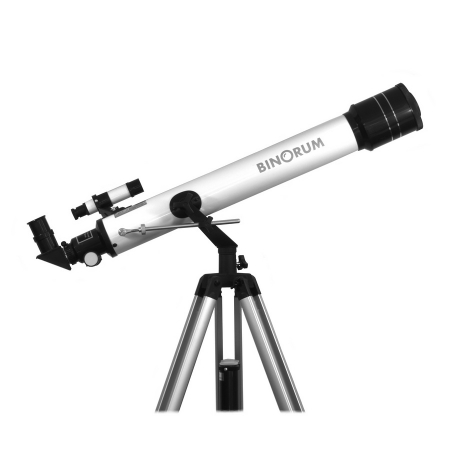
Nature Observation and Travel Spotting Scopes
A spotting scope is a high-magnification optical instrument designed for long-distance observation where a standard binocular simply cannot reach. Thanks to a significantly larger objective lens and variable magnification, it reveals details that would otherwise remain hidden. Whether you are watching birds in a reed bed, tracking game on a distant hillside or checking targets at a shooting range, the right spotting scope opens up a new dimension of observation.
What You Will Find in Our Range
Our offer is divided into several categories based on the intended use and size of the instrument. Compact spotting scopes are ideal for travellers and hikers who prefer to leave bulky equipment at home without sacrificing image quality. Larger models in the nature watching and birdwatching section feature objective diameters from 60 to 100 mm and variable magnification typically ranging from 15-45x to 25-75x, making them well suited for demanding birdwatching or wildlife observation in open terrain. Travel models strike a practical balance between portability and optical performance.
A separate group consists of monoculars - single-eye instruments that fit in a jacket pocket and are always ready to use. Basic fixed-magnification models make a reliable everyday companion, while zoom models or those with a built-in compass are equally at home in more demanding conditions.
How to Choose a Spotting Scope
The key parameters to consider when choosing are magnification, objective diameter and eyepiece angle.
Magnification in spotting scopes is typically variable - for example 20-60x. The lower end of the range is suitable for quickly locating a subject and scanning wider areas, while the higher end allows detailed examination. It is important to keep in mind that high magnification also amplifies the slightest movement - a steady tripod mount therefore becomes essential for comfortable extended observation.
Objective diameter determines how much light the instrument gathers. Models with a 60-65 mm objective offer a good compromise between portability and performance, while instruments with an 80-100 mm objective deliver a noticeably brighter image - particularly in low-light conditions - and are the preferred choice for demanding users.
Eyepiece angle - instruments with an angled eyepiece (45°) are more comfortable for prolonged observation of objects above the horizon, such as birdwatching or astronomical use. Straight-through (0°) models feel more natural when quickly acquiring a moving target.
Premium models feature objective lenses made from ED glass (extra-low dispersion), which significantly reduces chromatic aberration and delivers a sharper, higher-contrast image. The difference is most apparent with bright objects against a dark background or when observing under difficult lighting conditions.
Brands in Our Range
We carry leading names in observation optics. Bresser is one of Europe's most established manufacturers, covering both affordable entry-level models and higher-tier instruments such as the Pirsch and Dachstein ED series. HAWKE is a British brand with a strong reputation in premium nature optics - their Endurance ED range with extra-low dispersion glass ranks among the most highly regarded sporting scopes in its class. DeltaOptical offers the compact Titanium ED series for users who demand outstanding image quality in a small package. Carson, Omegon and National Geographic round out the selection with accessible and gift-friendly models that are a great choice for budding nature enthusiasts.
Accessories and Add-ons
For comfortable use of a spotting scope, we recommend a photographic tripod or a dedicated spotting scope tripod - at magnifications above 30x, stable support is virtually essential. Most models in our range are equipped with a standard 1/4" thread for mounting on a conventional tripod. If you plan to photograph through your scope (digiscoping), we also stock suitable adapters for connecting a camera or smartphone.